
Scouting through the history and spirituality of tarot reading
Audio:
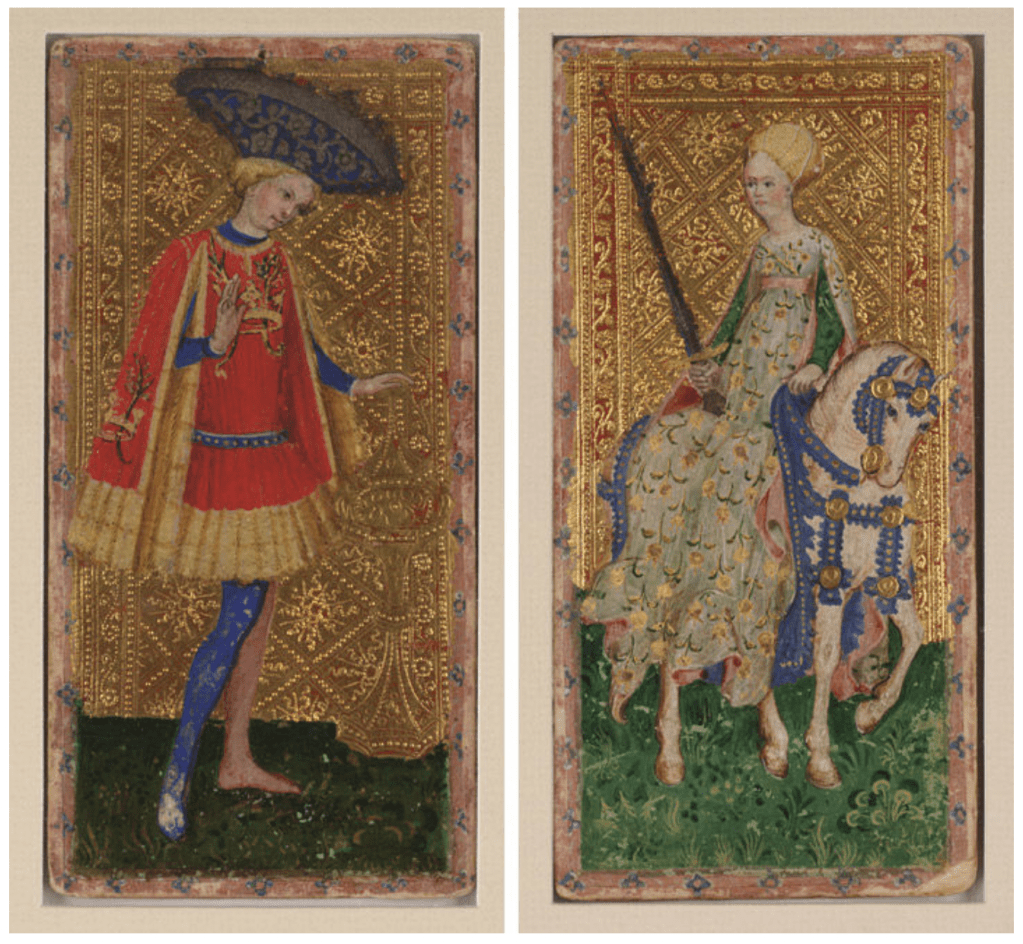
People utilize this media niche to interpret the world and personal events through a different lens. Tarot reading can be traced throughout history and has recently gained an increase in popularity. However, the earliest mentions of tarot card reading can be traced back to Europe in the 14th Century (Husband 2016).
In previous contextualisation and observations, I highlighted that recordings of tarot readings is the modern audience’s preference of content within this niche. Despite this, I am utilising participant observation to observe if other forms of content can also succeed in this media niche, and if so, how they are perceived and interpreted within this community (Nurani 2008).
There is also a cultural aspect surrounding this niche as the act of tarot reading is usually central to an individuals spiritual beliefs. Tarot reading is used to guide individuals towards their own spiritual journey and their connection to the divine. This is said to be done through intuition and mystical science. Although there is no definitive answer to the accuracy of this practice, it is simply up to each individual to discover and practise their own beliefs (Gurseerat 2023).
Content Creation
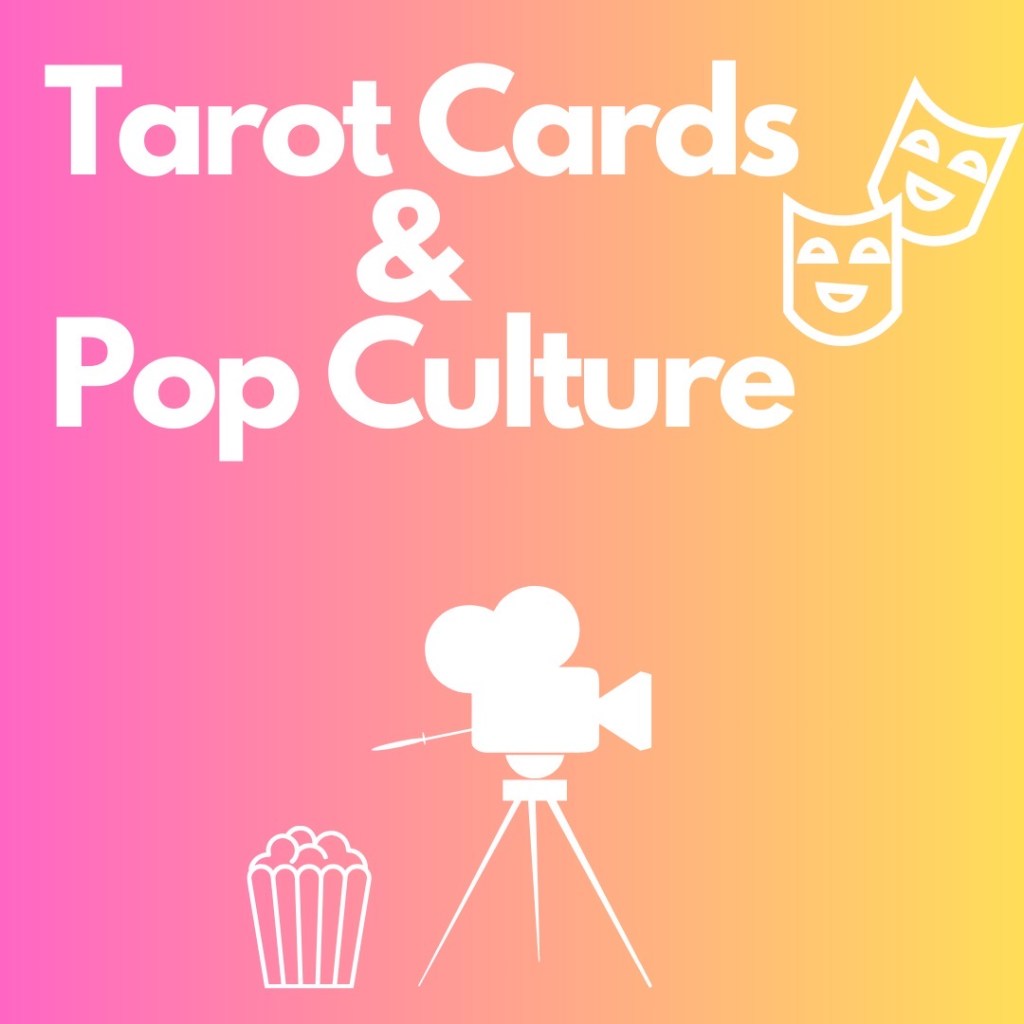
For my second round of content creation I first had to craft my Instagram content by utilising Canva to create visually enticing slides. The first slide introduced the topic “Tarot cards and pop culture”. This was then followed by examples I created linking the Major Arcana to popular movie characters. For instance, The Magician was paired with Marvel’s Doctor Strange, The Empress with Mufasa from “The Lion King,” and The Emperor with Darth Vader from “Star Wars.” Subsequently, I explored the Minor Arcana, illustrating Belle from “Beauty and the Beast” as the Ace of Cups, Eeyore from “Winnie the Pooh” as the Five of Cups, and the Weasley family from the “Harry Potter” franchise as the Ten of Cups.
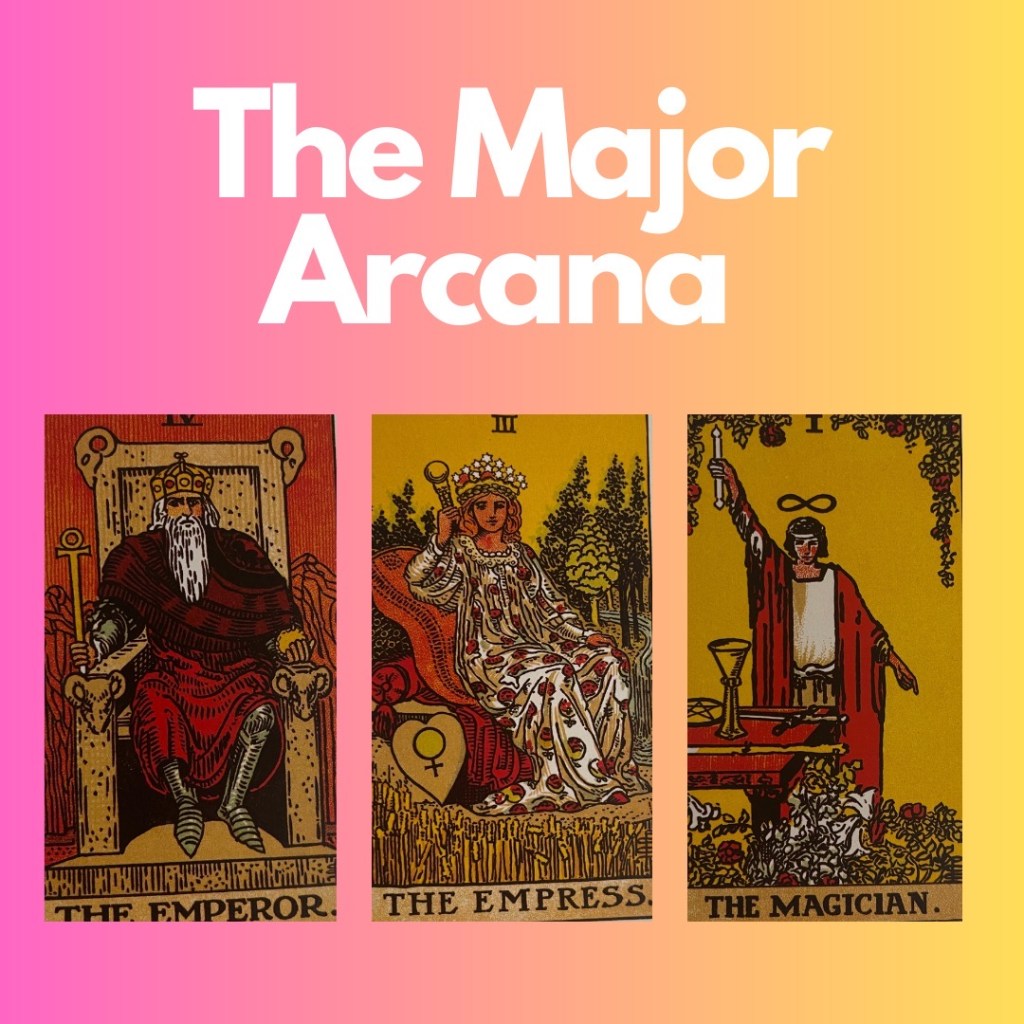
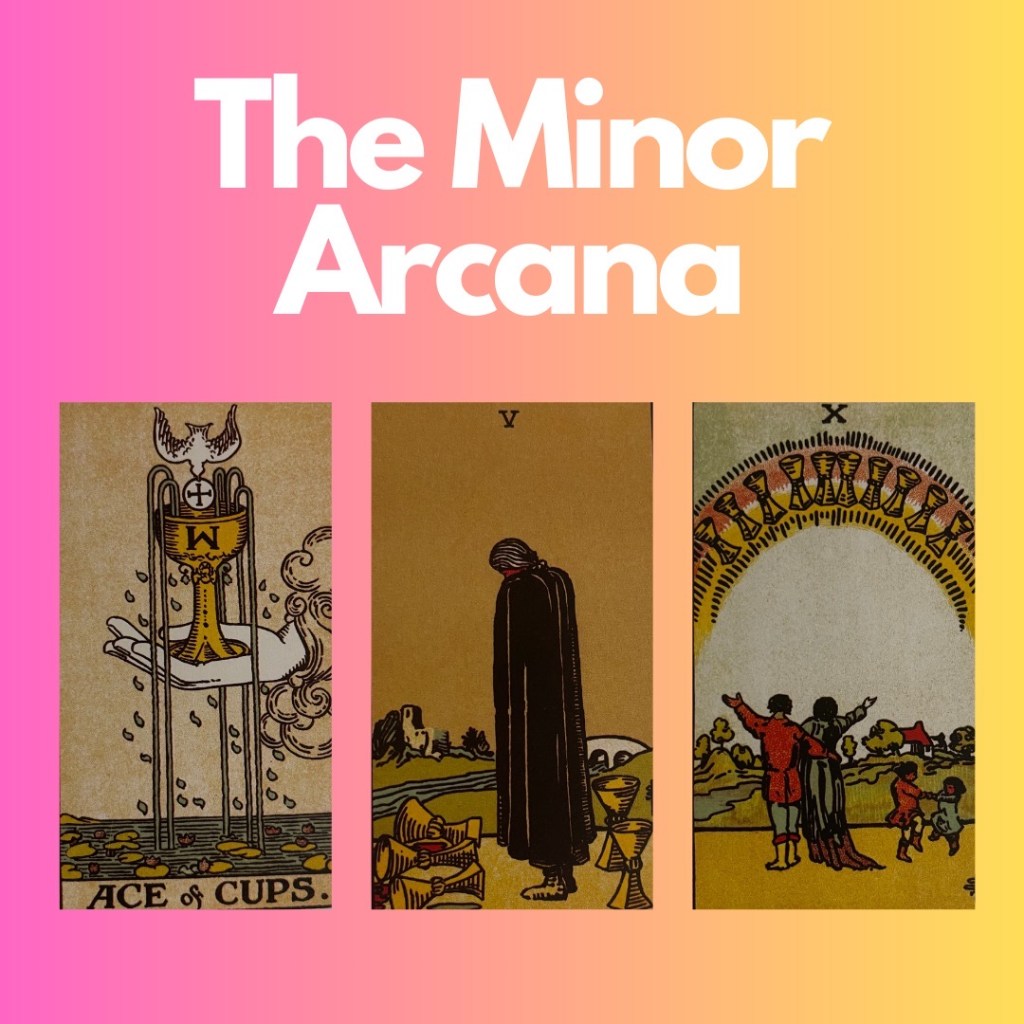
Pivoting to TikTok content creation, I transformed this information into a video format, as TikTok is primarily an app that is used for short form video content. I feel there is potential for my content to succeed on this platform as it has an ever growing public interest (Schellewald 2021). Utilizing the same characters and cards, I used short clips from each film instead of photos. I began with an engaging intro of cards shuffling, then transitioned through each clip, paired with their own captions to show the viewers the reasonings behind each choice. To make the video more enticing I added some catchy music behind the video.
References:
Creswell, John W. (2016) 30 Essential Skills for the Qualitative Researcher, Sage: Los Angeles
Gurseerat 2023, Relation Between Tarot And Spirituality, InstaAstro, viewed 6 October 2023, <https://instaastro.com/blog/relation-between-tarot-and-spirituality/>
Husband, T 2016, Before Fortune-Telling: the History and Structure of Tarot Cards, Metmuseum.org, viewed 6 October 2023, <https://www.metmuseum.org/blogs/in-season/2016/tarot#:~:text=The%20earliest%20references%20to%20tarot,evolving%20earlier%20in%20the%20century>
Nurani, M 2008, ‘CRITICAL REVIEW OF ETHNOGRAPHIC APPROACH KK Ilmu Kemanusiaan FSRD ITB’, Critical Review of Ethnographic Approach Jurnal Sosioteknologi Edisi 14 Tahun, vol. 14, no. 7, viewed 6 October 2023, <https://multisite.itb.ac.id/kkik-fsrd/wp-content/uploads/sites/154/2007/04/5-Lusi-Ethnography-Approach.pdf>
Schellewald, A 2021, ‘Communicative Forms on TikTok: Perspectives From Digital Ethnography’, International Journal of Communication, vol. 15, no. 0, p. 21, viewed 6 October 2023, <https://ijoc.org/index.php/ijoc/article/view/16414/3389>
Townsend, L & Wallace, C 2016, Social Media Research: A Guide to Ethics, The University of Aberdeen, viewed 6 October 2023, <https://www.bolton.ac.uk/assets/Uploads/Social-media-ethics-study-Aberdeen-2018.pdf>
Get in Touch
mayacassar@live.com
0488 660 452

 MayaCassar.Blogs
Leave a comment