
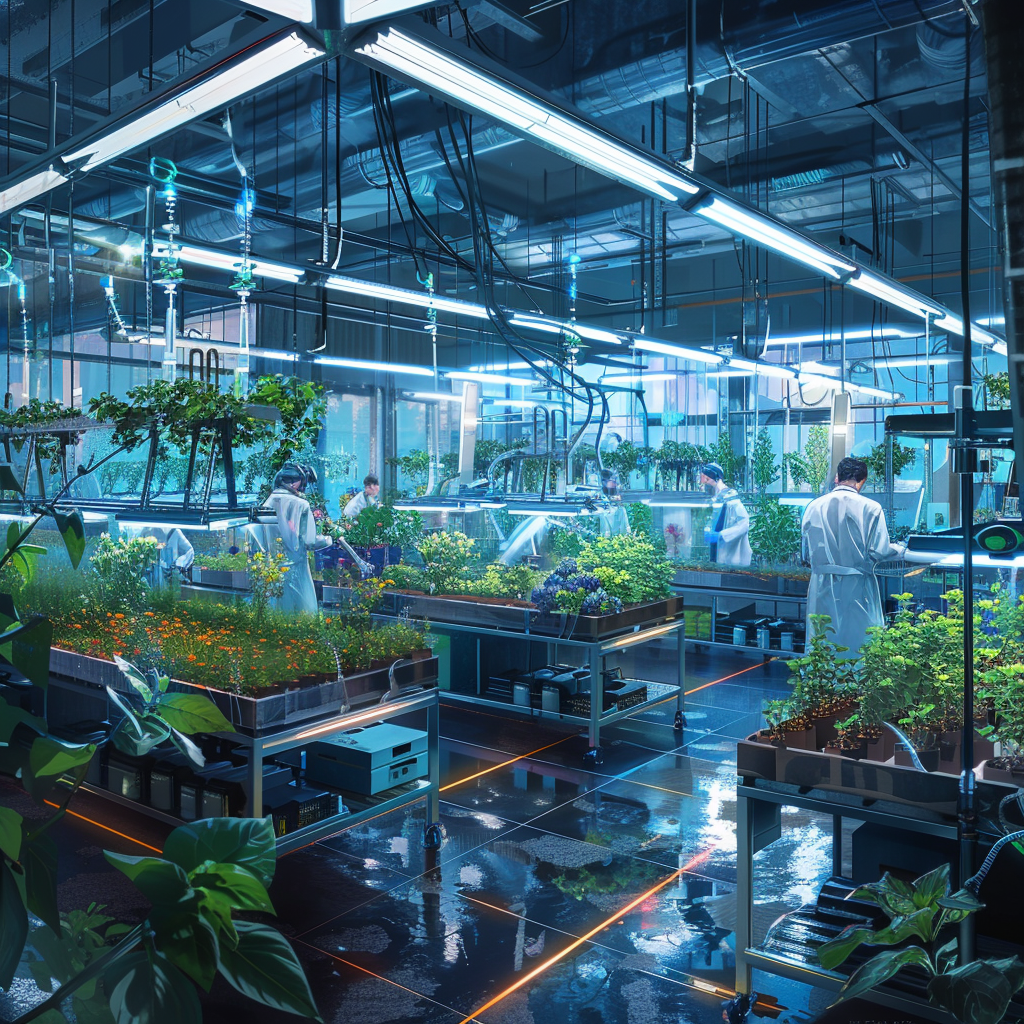
Image of futuristic science lab generated by MidJourney

2030: A glimpse into the future of climate change and agriculture
I want you to imagine it’s the year 2030. Sounds like something out of a science fiction novel, doesn’t it? In reality, this is only 6 years away. In the blink of an eye, we’ll be living in a whole new decade, navigating a world that’s evolving faster than ever before.
When I think of the future, I immediately question the most fundamental piece of our life here on earth: the state of our climate and ecosystem. The climate crisis has been looming over us like a dark cloud for decades now. We have been receiving warnings about the potential of catastrophic global warming for the last 50 years (Bonneuil, Choquet & Franta 2021). However, Global warming induced by human activity has risen at an unprecedented rate of over 0.2 degrees Celsius each decade (Forster et al. 2023). Despite our best efforts our world continues to heat up at an alarming rate.
So, as we hurtle towards 2030, it’s only natural to wonder: what will our future Earth look like? What kind of world will we be passing on to future generations? These questions aren’t just hypothetical, they are the pressing concerns and foreshadow the challenges that lie ahead.
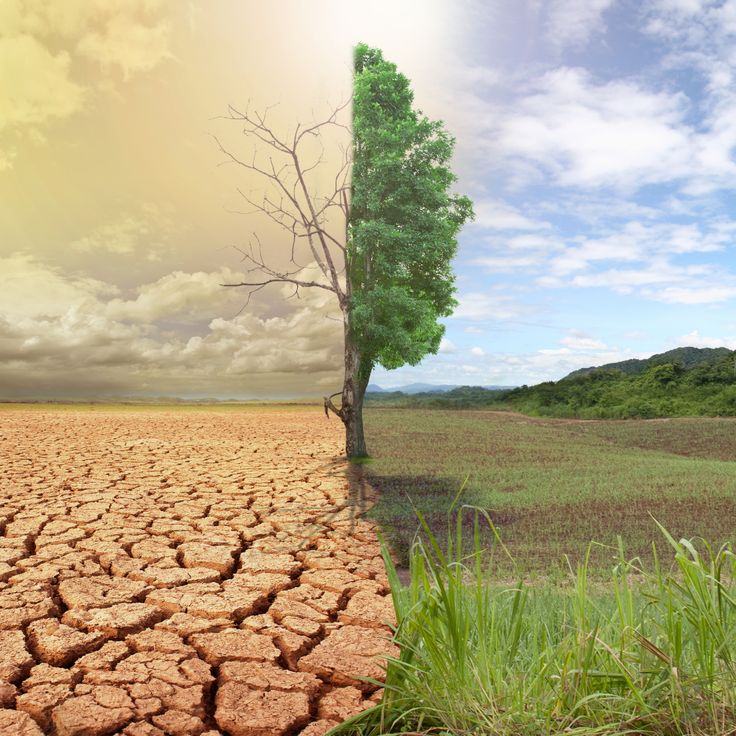
Wendell Bell’s framework
When it comes to contemplating the future, Wendell Bell’s model allows us as individuals and as a developing society, to think about the future from three key categories:
- Possible futures,
- Probable futures and
- Preferable futures.
This model encourages an extensive understanding of the future by considering the possible, probable and preferable, enabling us to better prepare for uncertainty and make informed decisions in the future by emphasising the power of forward thinking and proactive planning. Bell’s model also highlights the significance of ethical considerations and the influence this can have in shaping our future across various fields (Bell 2002 & 2004).
The Possible:
First, let’s analyse what is possible for the future of our climate. It is possible that our climate will remain stagnant in the coming years. If we continue to actively reduce human emissions we can slow down global warming, thus limiting the negative impacts this has on our environment (Herring & Lindsey 2020). With many people doing their part to be more environmentally conscious, it is possible that we are doing enough to slow down global warming. It appears that many individuals believe that this is what will occur as they do not understand the severity of our current climate crisis.
It could be argued that it is not possible for our climate to change so drastically in such a short time frame, suggesting that there will not be much change to our current circumstances by the year 2030.
The Probable:
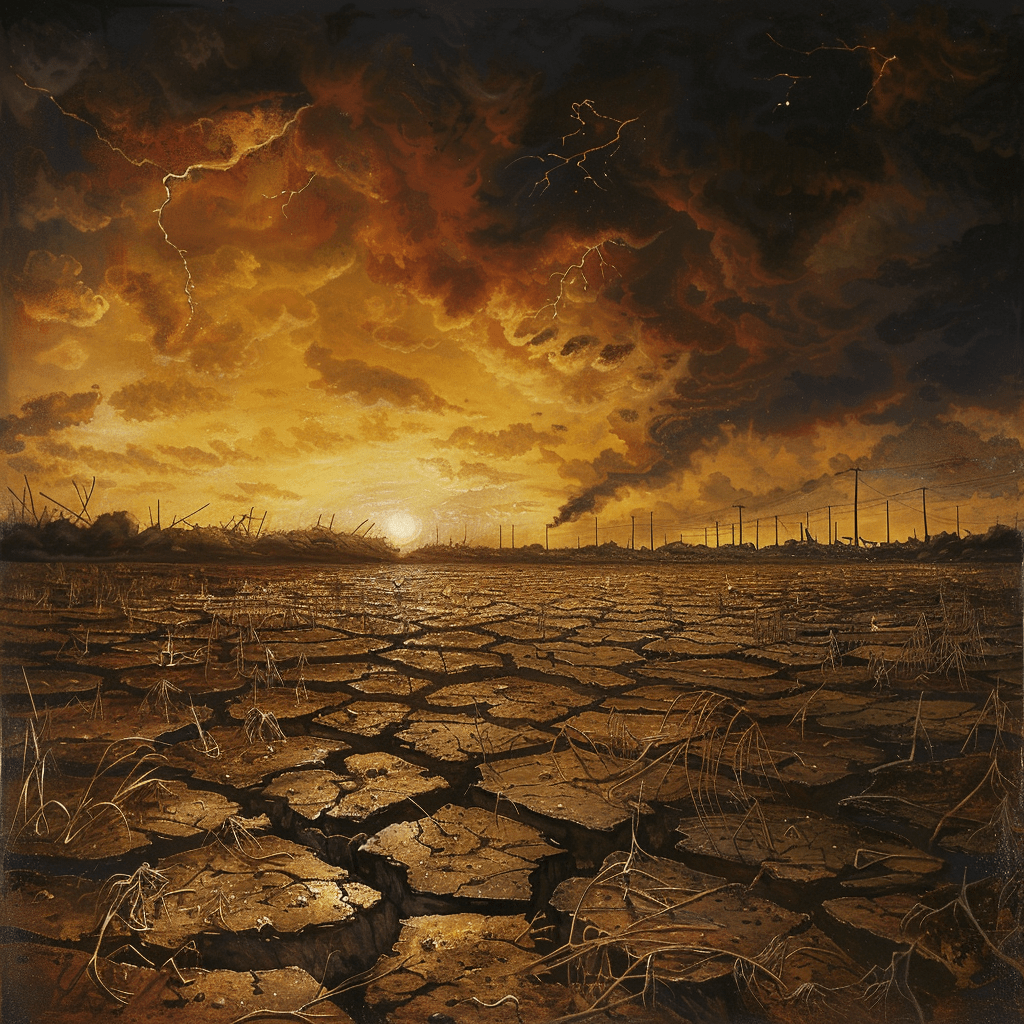
When contemplating our future, it is important to consider what is most likely to happen, to do this we must evaluate our current situation. Regarding the question of the future of our planet, it is indisputable that changes in our climate are occurring at an alarming rate (Masson-Delmotte et al. 2021). Despite the endless warnings, human activities have precipitated a significant surge in greenhouse gas emissions in the atmosphere. Our inability to take effective action to prevent climate change is pushing us towards a future of irreversible damage in 2030 (The Nature Conservancy Australia 2020). The repercussions of our actions can be seen in the damage to agricultural habitats. We will continue to witness an extreme reduction in agricultural habitat due to global warming which will result in severe losses in genetic diversity (Meza‐Joya et al. 2023). Land degradation will result in the loss of nutrient soil and crop yields, ultimately decreasing our ecosystem’s resilience. The environmental decline will adversely affect animal and human health and well-being. Concurrently contributing to humanity’s poverty and our overall livelihood (Abebaw 2019). The evidence is all around us that climate change is occurring now and should serve as a reminder to us all that the time to take urgent action in order to safeguard our planet’s future is now. Regrettably, we continue to jeopardise the future well-being of our planet and the prosperity of future generations.
The Preferrable:
But what if we didn’t have to look at the statistics and absolutely anything was possible? What is the future that we truly desire? A preferable future would be one where we make drastic improvements to ensure the preservation of our environment. Central to this vision is the continued development of biotechnology as it will allow us to expand genetic diversity in crops, which is a crucial strategy to revolutionise our agricultural resistance (Garland & Curry 2022). The development of climate-resilient plants is vital to ensure the sustainability of our planet. That is why scientists are harnessing technology to change the genes of organisms to give them desirable traits. Incorporating genetically modified organisms into our agriculture will provide many benefits including:
- Increased crop productivity by introducing qualities such as disease resistance and tolerance to extreme environments
- Enhance crop protection by providing a solution to weed and pest problems
- Improvements in food processing by genetically engineering enzymes from bacteria
- Improving nutritional value as modern diets are nutritionally inadequate
- Enhancing the flavour of plants
- Fresher produce, making it easier to transport fresh goods
- Health benefits due to less pesticides on our food
- Improve health and the environment in developing countries.
(Wieczorek 2003)
Embracing biotechnology in agriculture would ensure that in the event of extreme weather conditions and population growth, we can address food scarcity issues (Tan 2021).

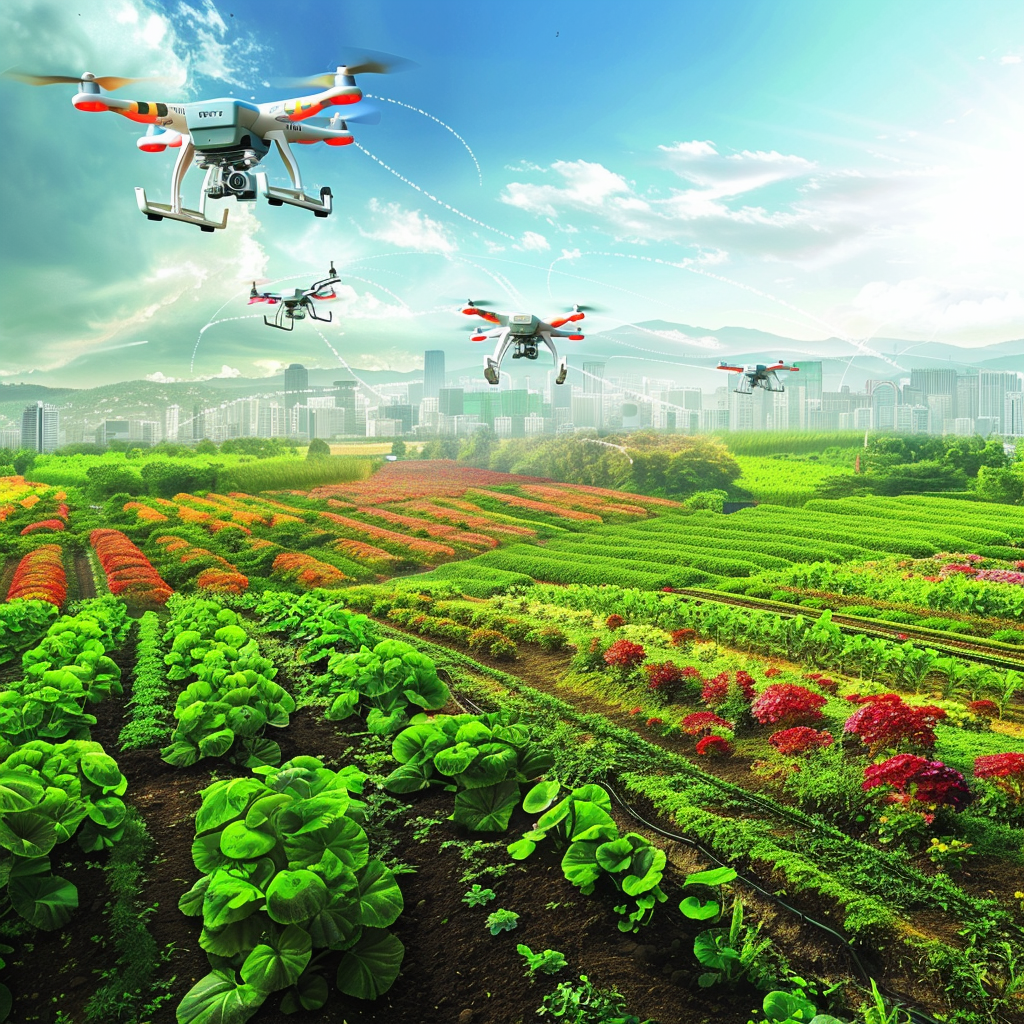
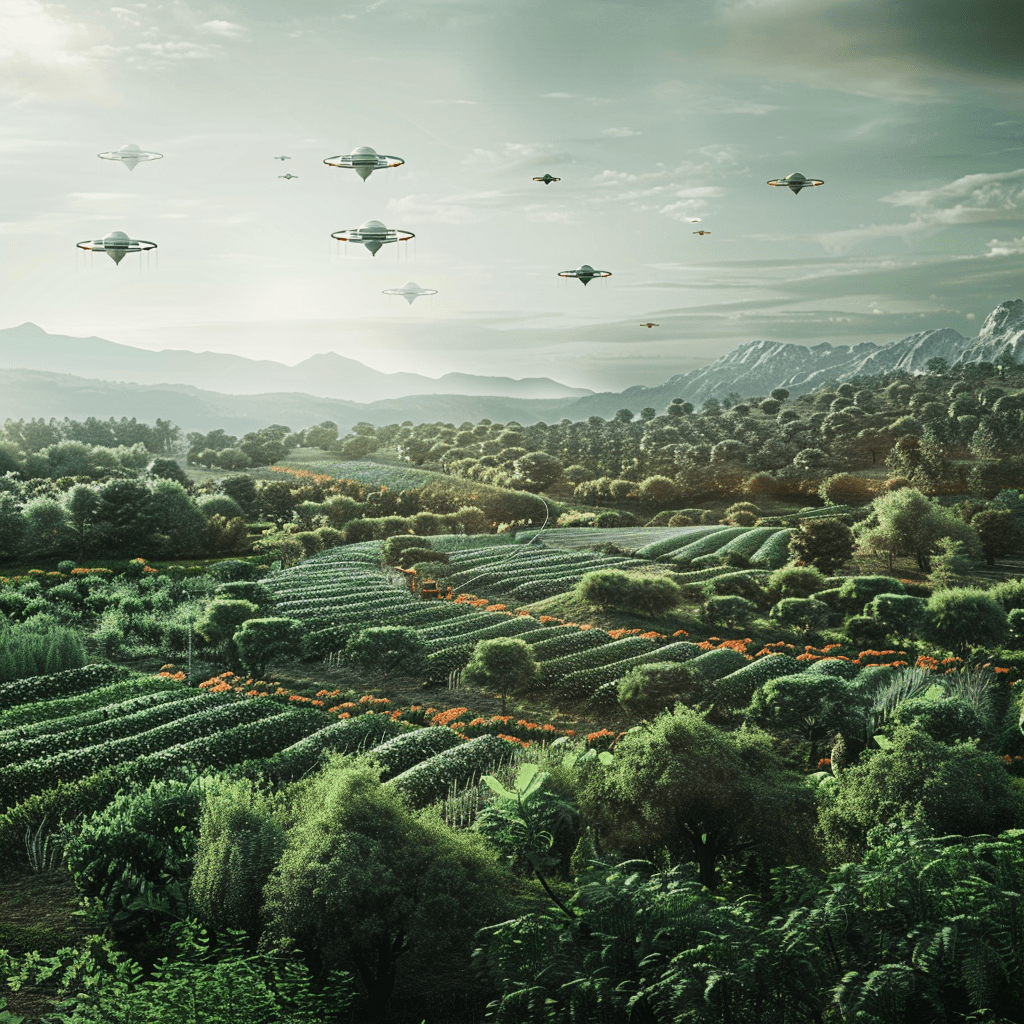
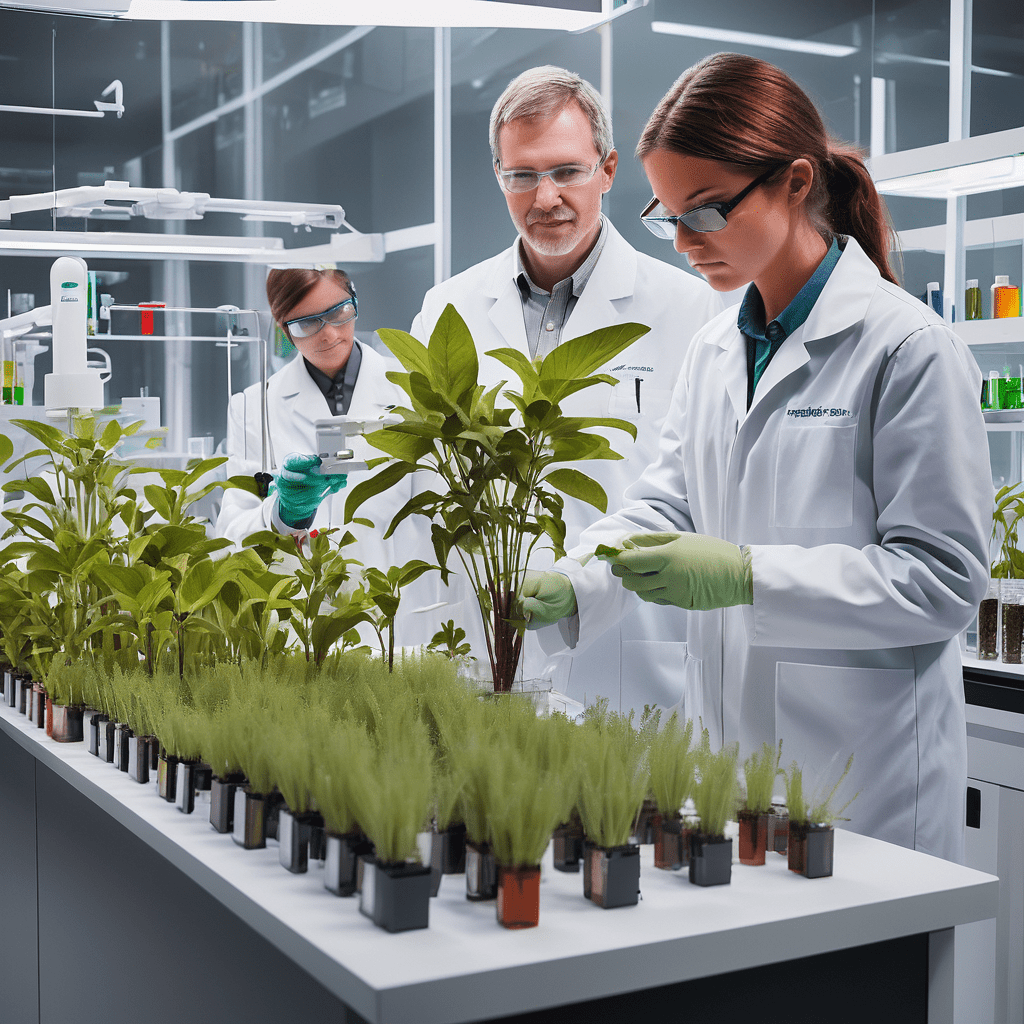
So as we get closer to the year 2030, the evolution of biotechnology offers a solution for the future of agriculture. By harnessing biotechnology we can avoid the possible and probable futures and create a preferable future of a better tomorrow, ensuring sustainability for generations to come.
Note: this blog post was assisted by ChatGPT
Don’t have time to sit down and read? Listen to the key points in this blog:
References:
Abebaw, WA 2019, ‘Journal of Resources Development and Management’, Journal of Resources Development and Management , vol. 57, Viewed 2 April 2024, <https://www.researchgate.net/profile/Wudu-Abiye-2/publication/342447753_Review_on_Impacts_of_Land_Degradation_on_Agricultural_Production_in_Ethiopia/links/5ef4b219a6fdcc4ca42dff48/Review-on-Impacts-of-Land-Degradation-on-Agricultural-Production-in-Ethiopia.pdf>
Bell, Wendell 2002, Making people responsible: The possible, the probable, and the preferable. In James A. Dator (Ed.), Advancing futures: Futures studies in higher education (pp.33-52). Westport, CT: Praeger, Viewed 2 April 2024 <https://www.dropbox.com/scl/fi/xq2avey7ofccnali11ya9/bell-1998-making-people-responsible-the-possible-the-probable-and-the-preferable.pdf?rlkey=rcyxqv894pxp2zrbhn3w30rqu&dl=0>
Bell, Wendell 2004, Foundations of futures studies: human science for a new era: values, objectivity, and the good society (Vol. 2). 1st Edition. Routledge. New York, Viewed 2 April 2024, <https://www.dropbox.com/scl/fi/mfi4b10lkvkebp8h2mrph/an_overview_of_fs_1996.pdf?rlkey=wgceyh1mtobzo0rdbrl5wfhq5&dl=0>
Bonneuil, C, Choquet, P-L & Franta, B 2021, Early warnings and emerging accountability: Total’s responses to global warming 1971–2021, Global Environmental Change, vol. 71, p. 102386, Viewed 2 April 2024, <https://www.sciencedirect.com/science/article/pii/S0959378021001655>
Forster, PM, Smith, CJ, Walsh, T, Lamb, WF, Lamboll, R, Hauser, M, Ribes, A, Rosen, D, Gillett, N, Palmer, MD, Rogelj, J, von Schuckmann, K, Seneviratne, SI, Trewin, B, Zhang, X, Allen, M, Andrew, R, Birt, A, Borger, A & Boyer, T 2023, ‘Indicators of Global Climate Change 2022: annual update of large-scale indicators of the state of the climate system and human influence’, Earth System Science Data, vol. 15, no. 6, pp. 2295–2327, viewed 2 April 2024, <https://essd.copernicus.org/articles/15/2295/2023/>
Garland, S & Curry, HA 2022, ‘Turning promise into practice: Crop biotechnology for increasing genetic diversity and climate resilience’, PLOS Biology, vol. 20, no. 7, p. E3001716, Viewed 2 April 2024, <https://journals.plos.org/plosbiology/article?id=10.1371/journal.pbio.3001716>
Greenpeace.org n.d., Climate Change Impacts, Pinterest, Viewed 2 April 2024, <https://www.pinterest.com.au/pin/264586546849456600/>
Herring, D & Lindsey, R 2020, Can we slow or even reverse global warming?, http://www.climate.gov, Climate.gov, viewed 2 April 2024, <https://www.climate.gov/news-features/climate-qa/can-we-slow-or-even-reverse-global-warming>
Masson-Delmotte, V, Zhai, P, Pirani, A, Connors, S, Péan, C, Chen, Y, Goldfarb, L, Gomis, M, Matthews, J, Berger, S, Huang, M, Yelekçi, O, Yu, R, Zhou, B, Lonnoy, E, Maycock, T, Waterfield, T, Leitzell, K & Caud, N 2021, The Physical Science Basis Working Group I Contribution to the Sixth Assessment Report of the Intergovernmental Panel on Climate Change, Climate Change 2021 The Physical Science Basis, vol. 2, Viewed 2 April 2024, <https://www.ipcc.ch/report/ar6/wg1/downloads/report/IPCC_AR6_WGI_FrontMatter.pdf>
Meza‐Joya, FL, Morgan‐Richards, M, Koot, EM & Trewick, SA 2023, ‘Global warming leads to habitat loss and genetic erosion of alpine biodiversity’, Journal of Biogeography, vol. 50, no. 5, Viewed 2 April 2024, <https://onlinelibrary.wiley.com/doi/full/10.1111/jbi.14590>
Tan, D 2021, From this week, every mainland Australian state will allow genetically modified crops. Here’s why that’s nothing to fear, The Conversation, Viewed 2 April 2024, <https://theconversation.com/from-this-week-every-mainland-australian-state-will-allow-genetically-modified-crops-heres-why-thats-nothing-to-fear-159976>
The Nature Conservancy Australia 2020, Climate Change: Frequently Asked Questions, The Nature Conservancy Australia, Viewed 2 April 2024, <https://www.natureaustralia.org.au/what-we-do/our-priorities/climate-change/climate-change-stories/climate-change-frequently-asked-questions/?gad_source=1&gclid=CjwKCAjwtqmwBhBVEiwAL-WAYV5TmtvC4rYPpEcbu3zI0M4PeP_vF1pKIB-AD_y80GIBFWNc_dl7mhoCXygQAvD_BwE>Wieczorek, A 2003, ‘Use of Biotechnology in Agriculture – Benefits and Risks’, College of Tropical Agriculture and Human Resources, Viewed 2 April 2024, <https://scholarspace.manoa.hawaii.edu/server/api/core/bitstreams/61f78c8b-8723-4fc1-88e3-55ccecbad966/content>
Get in Touch
mayacassar@live.com
0488 660 452

 MayaCassar.Blogs
Leave a comment