
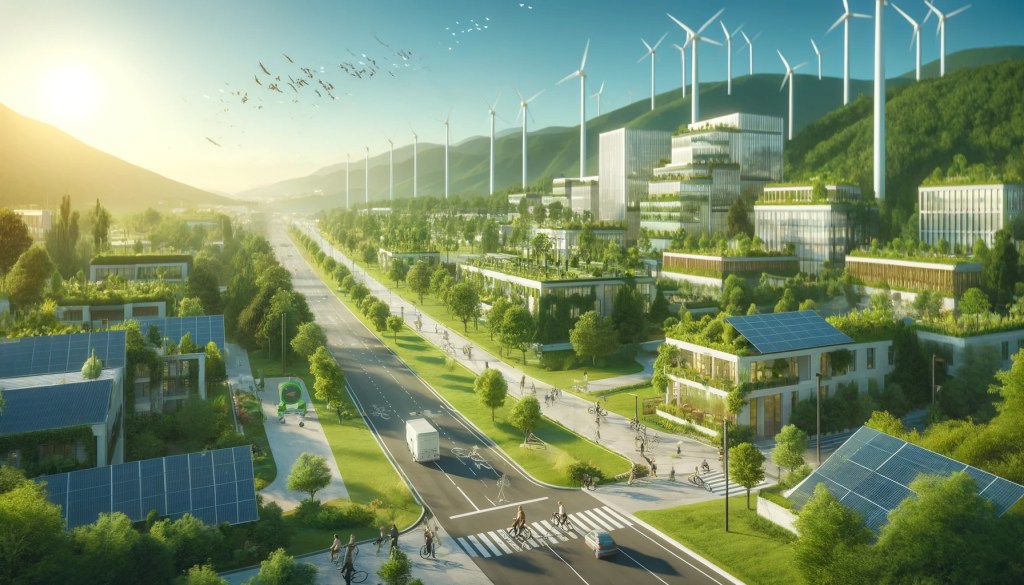
Image of futuristic science lab generated by MidJourney

2050: A Glimpse Into the Future of Climate Change and Agriculture
I have been diving into the different potential probable, possible and preferable futures for the future of agriculture and climate change by utilising Wendell Bell’s framework (Bell 2002 & 2004). I have already explored 2030 and 2040, and now it is time to analyse 2050. The year 2050 almost seems unreachable, but in reality, I will only be 46.
In 2050, the population is forecasted to increase by an additional 2 billion people, which in turn will require an increase in food production. That is why it is important to evaluate new farming practices that can produce more food in a more sustainable way (Wezel et al. 2013).
The Possible:
It is possible that we may not need to employ biotechnology in our crop yields if we continue to develop and enhance our initiatives to fight against climate change. If we transition from major fossil fuel companies and carbon emitters to renewable energy sources such as solar, wind, and hydroelectric power we would drastically reduce greenhouse gas emissions and improve our atmosphere, and as a result, slow down the pace of climate change. If we utilise techniques such as planetary accounting, we can ensure that our environment remains at optimal levels and take action when and where necessary to prevent further damage. Planetary accounting involves measuring and managing the Earth’s resources and environmental impacts to maintain a balance that supports sustainable living (Meyer & Newman 2018). Moreover, the role of large corporations is pivotal in this effort. If large corporations focused on changing their production processes to be more sustainable, it would have a significant impact on our environment. Many businesses are already doing their part to ensure their practices follow green initiatives, such as reducing waste, increasing energy efficiency and sourcing materials responsibly. Further, if governments implement policies and regulations that incentivise renewable energy adoption and sustainable practices it would result in widespread change. Additionally, if we adopt sustainable agricultural practices that promote soil health, conserve water, and enhance biodiversity we will not need to genetically alter our crops and develop resilient ecosystems (Wezel et al. 2013). Climate action is not difficult if everyone is on board. Collective efforts from individuals, businesses and governments would lead to significant improvements in our climate and environment.
The Probable:
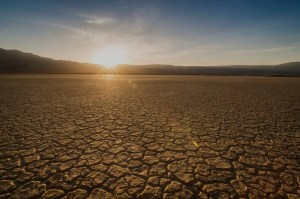
Although it is possible we do enough to fight against climate change, it is highly unlikely. Statistics show that due to human influence, we have done irreversible damage to our environment and have to make immediate drastic changes to make improvements to our ecosystems (Marvel et al. 2019). The effects of human activities such as burning fossil fuels, deforestation and industrial pollution have led to significant greenhouse gas emissions, contributing to global warming. Therefore, it is probable that we will have to incorporate genetically modified crops into our agriculture to ensure we have non-processed foods to consume. As traditional farming becomes more challenging due to changing climate conditions, genetically engineered crops will become essential, as these crops will be designed to thrive in environments where conventional crops would fail. These foods will look and taste different and ultimately some foods may entirely disappear, whether this is due to our change in preference or because some habitats will not exist anymore as climate change destroys our current environment. This is already being seen today for example; the polar ice caps melting at an alarming rate, deforestation which destroys biodiversity, coral reefs dying due to warming waters, extreme weather events such as droughts and floods, and the rapid acceleration of animal extinction rates. All of these things have a significant flow-on effect on our food chain, as a result, our diets may shift towards more resilient crops, potentially altering culinary traditions and food preferences.
The Preferable:
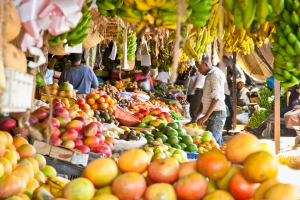
Using this framework, I can imagine a perfect, preferable, future that creates a peaceful habitable environment for all living organisms. Technology is developing rapidly, in all aspects of our life, including communication, travel, health and basically any field you can think of. That is why by 2050, biotechnology in agriculture will develop even further than simply the preservation of crops. In this future, biotechnology will revolutionise our diets as we create entirely new species of crops. These crops will be disease-resistant and capable of thriving in harsh environments. This is also beneficial as we will not require pesticides, reducing environmental degradation and health risks. The crops will also require less food processing and last longer, making food ready to eat and easy to transport, meaning fresh nutritious food will be available in remote areas (Wieczorek 2003). The global implementation of this technology worldwide will be a significant step in the fight against poverty and starvation, creating a world where everyone has access to the basic need of healthy, fresh food. By providing a reliable source of food, we can enhance the quality of life for millions of people. Furthermore, this technological advancement will foster economic growth by creating new agricultural industries and job opportunities. This is a preferable scenario that is both probable and possible if we start working towards it now.
So as we look towards the future of agriculture and climate change, through Wendell Bell’s framework of the possible, the probable, and the preferable, it becomes clear that our actions today will profoundly shape the world of 2050. Although it is important to evaluate the benefits of biotechnology in agriculture, it is up to all of us to take the necessary steps to ensure a sustainable and prosperous future for all.
Note: this blog post was assisted by ChatGPT
Don’t have time to sit down and read? Listen to the key points in this blog:
References:
Bell, Wendell 2002, Making people responsible: The possible, the probable, and the preferable. In James A. Dator (Ed.), Advancing futures: Futures studies in higher education (pp.33-52). Westport, CT: Praeger, Viewed 2 April 2024 <https://www.dropbox.com/scl/fi/xq2avey7ofccnali11ya9/bell-1998-making-people-responsible-the-possible-the-probable-and-the-preferable.pdf?rlkey=rcyxqv894pxp2zrbhn3w30rqu&dl=0>
Bell, Wendell 2004, Foundations of futures studies: human science for a new era: values, objectivity, and the good society (Vol. 2). 1st Edition. Routledge. New York, Viewed 2 April 2024, <https://www.dropbox.com/scl/fi/mfi4b10lkvkebp8h2mrph/an_overview_of_fs_1996.pdf?rlkey=wgceyh1mtobzo0rdbrl5wfhq5&dl=0>
Headey, D & Alderman, H 2019, Why living in a poor country means you have bad food choices, The Conversation, viewed 29 May 2024, <https://theconversation.com/why-living-in-a-poor-country-means-you-have-bad-food-choices-121993>
Marvel, K, Cook, B, Bonfils, C, Durak, P, Smerdon, J & Williams, AP 2019, UOW Library Online Resources Login, ezproxy.uow.edu.au, viewed 28 May 2024, <doi:10.1038/s41586-019-1149-8>
Meyer, K & Newman, P 2018, Can your actions really save the planet? ‘Planetary accounting’ has the answer, The Conversation, viewed 28 May 2024, <https://theconversation.com/can-your-actions-really-save-the-planet-planetary-accounting-has-the-answer-104005>
NASA 2024, The Effects of Climate Change, science.nasa.gov, NASA, viewed 29 May 2024, <https://science.nasa.gov/climate-change/effects/>
Wezel, A, Casagrande, M, Celette, F, Vian, J-F, Ferrer, A & Peigné, J 2013, ‘Agroecological practices for sustainable agriculture. A review’, Agronomy for Sustainable Development, vol. 34, no. 1, pp. 1–20, viewed 29 May 2024, <10.1007/s13593-013-0180-7>
Wieczorek, A 2003, ‘Use of Biotechnology in Agriculture – Benefits and Risks’, College of Tropical Agriculture and Human Resources, Viewed 2 April 2024, <https://scholarspace.manoa.hawaii.edu/server/api/core/bitstreams/61f78c8b-8723-4fc1-88e3-55ccecbad966/content>
Get in Touch
mayacassar@live.com
0488 660 452
 MayaCassar.Blogs
Leave a comment